The Victorian Era facts are divided into categories like architecture, social structure, fashion, child labour, etc for a better understanding of the conditions during the Victorian times.
Victorian Era is known for the vast developments that took place changing the political and economic structure of England.
Facts about Victorian Architecture
The buildings which formed the Victorian architecture were Victorian gothic buildings having arches, pointed windows; Victorian Italianate architecture rebelling against the classical architecture; Second empire with boxy roofs inspired architecture in Paris in the reign of Napoleon, etc. Greek style was used for public buildings but, the popularity diminished during the Victorian times.
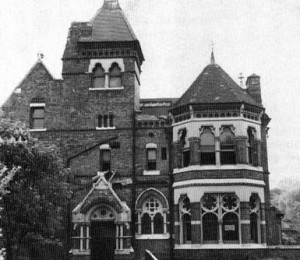
Inspirations for architecture were drawn from history, nature, geometry, personal life to make new designs. The 19th century brought changes in the house color schemes and the architecture. Initially, only white, gray or beige colours were used but by 1887, people started using light and bright colors. Vibrant colors are the essential feature of the Victorian era.
Social Structure facts
The traditional society of the Victorian period was divided into the- Upper Class, Middle Class and the Working Class. Initially, the Upper Class was the superior class having power and authority to dominate the other two classes. But with the industrial revolution, the gap between the Upper Class and other two classes reduced remarkably.
The living conditions of the middle class improved and some of them were also regarded as rich and wealthy. The working class comprised of skilled and unskilled workers who had to work hard to fulfill their needs and were exploited by others.
Facts about Victorian Fashion
The women’s fashion saw radical changes throughout the Victorian era. The gowns worn by early Victorian women were narrow with sloping shoulders. The very pattern of the gown made it difficult for the women to move. Also, they had to wear layers of corsets and petticoats.
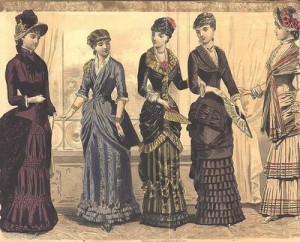
This changed in the later years when light gowns were made, making it a little comfortable for women to wear them. However, throughout the Victorian reign, it was prohibited for a woman to reveal her ankles as it was considered to be scandalous.
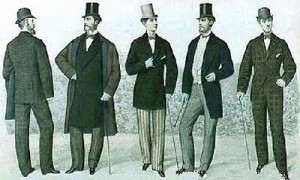
Men’s fashion, on the other hand, saw slow changes in case of neckties, day coats, evening coats, waistcoats, etc. The dresses worn by both boys and girls were alike until they were five years old. However, their dressing style changed as they grew up. Children used to wear clothes made from cotton or wool that was found around the house. The children’s dress had long or short sleeve depending upon the season.
continue reading Victorian era facts about politics